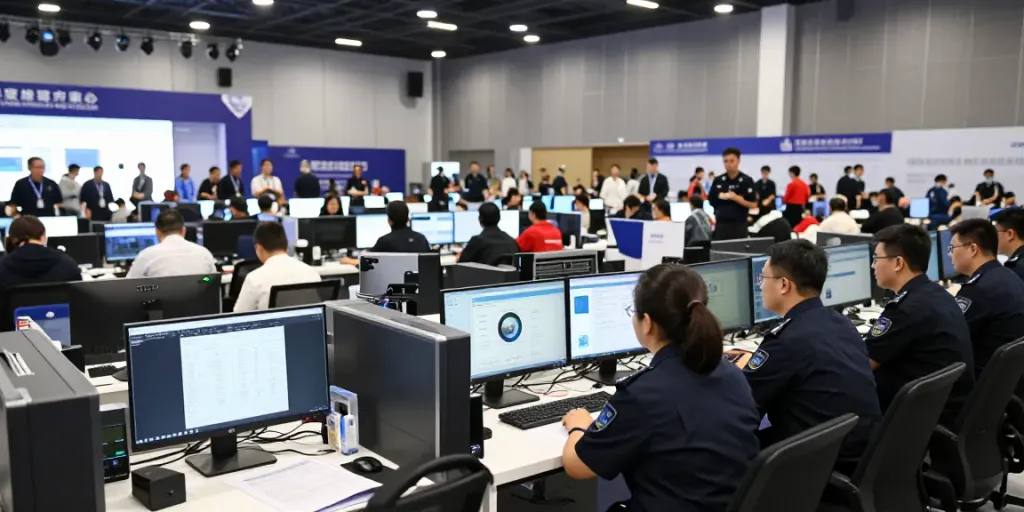
Understanding Corporate Security and Its Importance in 2026
In today's fast-paced and increasingly complex business environment, the role of corporate security has become more critical than ever. It encompasses a broad spectrum of services designed to safeguard an organization’s assets, personnel, and integrity. As companies navigate through the evolving landscape of security threats, understanding corporate security's nuances can be vital for operational continuity and the overall protection of your organization. When exploring options, Corporate Security solutions offer comprehensive insights into monitoring, mitigating risks, and ensuring safety across various platforms.
What is Corporate Security?
Corporate security refers to the measures and processes established by organizations to protect their physical and intellectual assets, personnel, and overall brand integrity. It includes physical security such as manned guarding, video surveillance, and access control, as well as cybersecurity measures that defend against data breaches and cyber threats. The objective is to create a safe environment that fosters operational efficiency while mitigating potential risks.
The Role of Corporate Security in Protecting Assets
Corporate security plays a multifaceted role in protecting both tangible and intangible assets. It involves a proactive approach to risk assessment, leading to the implementation of stringent access controls, surveillance systems, and incident response protocols. By effectively managing both physical and digital threats, corporate security helps maintain the safety of employees, customers, and physical locations, ultimately safeguarding the company’s profitability and reputation.
Key Benefits of Hiring Professional Corporate Security Services
- Expertise: Professional security companies bring a wealth of experience and training to address complex security concerns.
- Cost-Effectiveness: Outsourcing security services can often result in lower costs compared to hiring in-house security staff.
- Advanced Technology: Security firms use state-of-the-art technology to deliver security solutions that may not be feasible for individual companies.
- 24/7 Monitoring: Professional services of corporate security ensure continuous surveillance and response capabilities to incidents at any hour.
How to Choose the Right Corporate Security Provider
Evaluating Qualifications and Accreditations
Choosing the right corporate security provider requires careful consideration of their qualifications and industry accreditations. Ensure that the security firm holds relevant certifications such as SIA (Security Industry Authority) licensing, which underscores their compliance with regulatory standards. An accredited company demonstrates a commitment to quality service delivery and operational integrity.
Understanding Service Areas and Coverage Options
It is essential to consider the geographical reach and the specific services offered by the security company. A provider with a broad service area can offer you the flexibility of support across multiple locations, ensuring consistent security standards whether at a corporate office, residential complex, or during large events. Understanding the scope of services, including emergency response, can also help in better aligning your specific security needs with their offerings.
Assessing Customer Reviews and Testimonials
Customer reviews can provide invaluable insights into a security company's reputation and effectiveness. Look for testimonials that highlight both positive and constructive feedback concerning their operations. Online review platforms can serve as a useful resource to gauge client satisfaction and service reliability, helping you to make an informed decision regarding your choices in corporate security.
Pricing and Cost Breakdown for Corporate Security Services
Factors Influencing the Cost of Corporate Security
The cost of hiring corporate security can depend on various factors, including the complexity of your security needs, the level of service required, the geographical location, and the provider’s reputation. Additional services like specialized training or advanced technology implementations can also affect pricing. Understanding these variables will enable you to budget appropriately for security needs.
Standard Rates and Pricing Models in London
In London, corporate security services can range from £12 to £30 per hour depending on the type of security required. For basic guarding services, costs might land on the lower end, while specialized services such as close protection or cybersecurity consultation command higher fees. It is essential to discuss the service details with the provider to receive an accurate estimate for your specific requirements.
Budget-Friendly Solutions for Small Businesses
Small businesses often face the challenge of managing tight budgets while ensuring adequate security measures are in place. Consider tailored solutions that scale based on your needs. Opting for basic monitoring and periodic assessments rather than full-time staffing can provide a cost-effective compromise without sacrificing safety. Security companies sometimes offer flexible packages aimed specifically at smaller enterprises.
Regulatory Requirements and Compliance in Corporate Security
Licensing and Insurance Essentials for Security Companies
Professional corporate security providers must be licensed and insured to operate legally. Verify that your provider is compliant with local regulations, including holding the necessary insurance policies to cover liabilities. This ensures that in the event of an incident, both parties are protected, mitigating risks associated with financial losses or legal repercussions.
Local Regulations Affecting Corporate Security in London
In London, various regulations govern security operations, tailored to ensure public safety and compliance. Businesses must stay updated on laws that affect security protocols, including data protection laws (GDPR) and specific health and safety regulations that impact how security measures are implemented. Engaging a well-versed security partner in local regulations can greatly enhance your compliance posture.
Understanding the Importance of Compliance in Service Delivery
Adhering to regulatory standards is not just about legality; it builds trust with clients and stakeholders. Ethical compliance contributes to a company's reputation, enabling potential clients to have confidence in your security commitments. Ensuring proper training and background checks for security personnel reflects a company’s dedication to maintaining a secure environment.
Seasonal Trends and Needs for Corporate Security Services
Preparing for High-Profile Events and Gatherings
High-profile events such as corporate gatherings or large festivals demand specialized security plans that account for increased foot traffic and potential security challenges. Partnering with a reputable security firm that can conduct a thorough risk assessment ahead of such events is crucial. They should offer customized strategies to ensure maximum safety and minimize uncertainty during your events.
Adapting Security Measures for Seasonal Challenges
As seasons change, so can the nature of security threats. For instance, festive seasons may attract higher instances of theft and vandalism. It is essential to review and adapt security practices in anticipation of these patterns. Regular training updates and situational awareness briefings are key to equipping security personnel for seasonal fluctuations.
Best Practices for Ongoing Security Maintenance
Continuous monitoring and maintenance of security measures ensure they remain effective and relevant. For more information, Corporate Security offers valuable insights. Establish a routine that encompasses regular assessments, technology upgrades, and training refreshers for personnel. It is equally important to evaluate security performance and adapt to emerging threats or operational changes promptly. This proactive stance fortifies an organization against security vulnerabilities and builds long-term resilience.